Foundry Press Home

Category

Craft & Production

16 articles

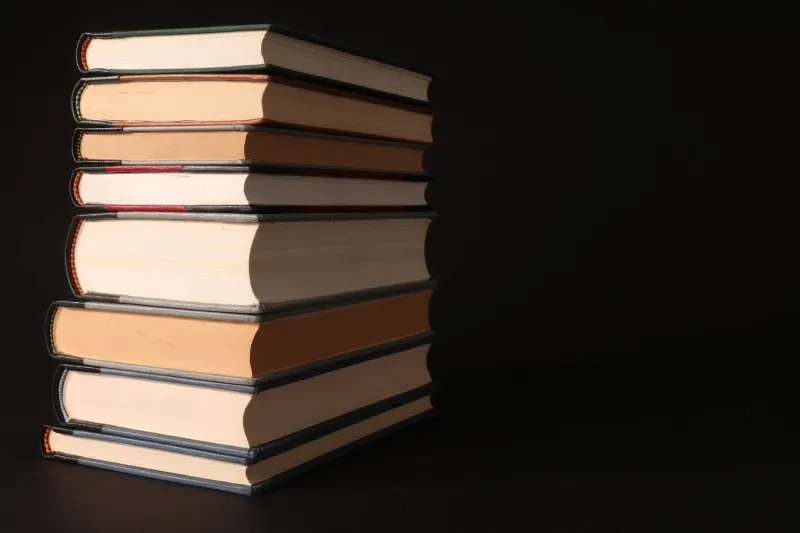
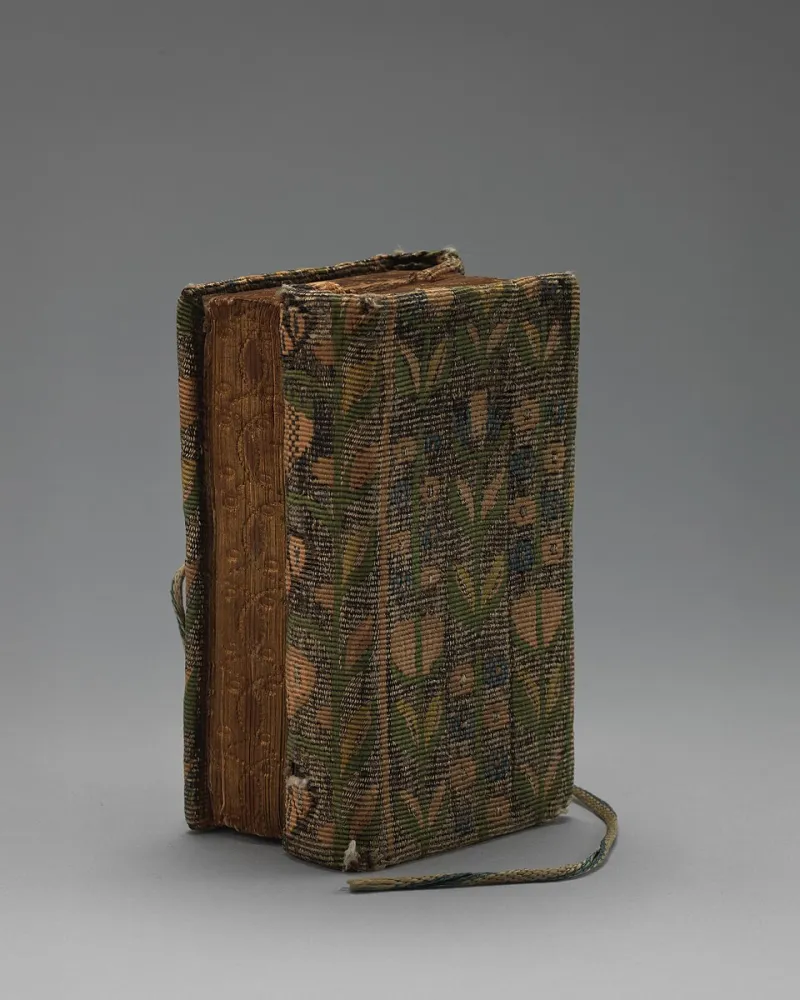
The Third Face of the Book: Making Fore-Edge Decoration Earn Its Keep

The Third Face of the Book: Making Fore-Edge Decoration Earn Its Keep

Sprayed and stained edges can make a book feel deliberate, but they are a production decision with a price and a failure mode. Here is how UK small presses can judge the cost, match the effect to paper and binding, and proof the edge before the finished copies arrive.

The Two-Millimetre Problem: Getting Spine Width Right When Paper Won't Sit Still

The Two-Millimetre Problem: Getting Spine Width Right When Paper Won't Sit Still

You sign off a spine at 18.4mm. The finished copies arrive nearer 20mm and your title now wraps around the edge like a bad wallpaper job. This is why spine width drifts, what printers mean by tolerance, and how small presses can specify, test and artwork a spine that survives real production without a reprint.

The Millimetre Margin: Why Your Book's Trim Size Is a Production Decision

The Millimetre Margin: Why Your Book's Trim Size Is a Production Decision

Trim size looks like a design choice, but it is really a manufacturing spec. A few millimetres can change how many pages fit on a sheet, how much paper you waste and what a bookseller thinks when they pick your book up. Here is how to choose a format that suits the manuscript, the printer's sheet and the shelf.

Stitched, Splined or Staple-Gunned: Choosing a Binding That Survives Real Readers

Stitched, Splined or Staple-Gunned: Choosing a Binding That Survives Real Readers

Binding is the decision that quietly determines whether your book lies flat in a cookery class, sheds pages in a rucksack, or still looks sharp after a decade on a shelf. Here's how the five main methods stack up on cost, gutters and page counts — plus the questions worth asking your printer before you commit.

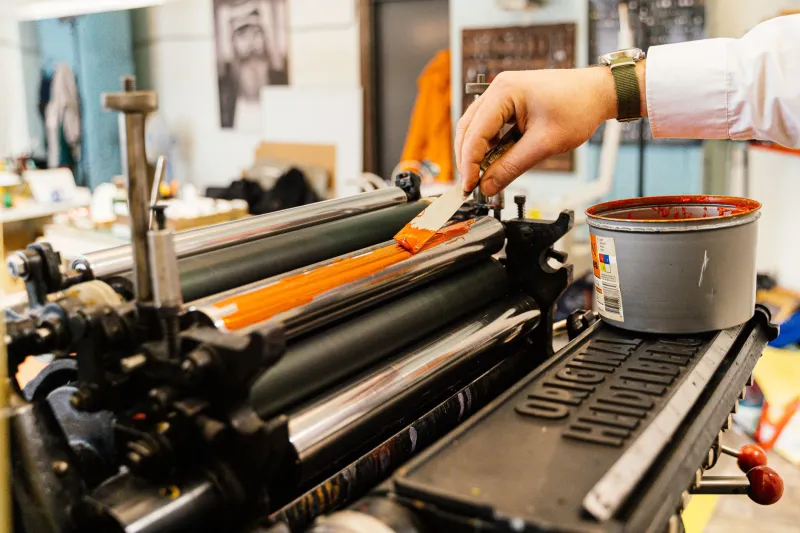
Hot Metal, Cool Covers: Inside the UK's Letterpress Comeback

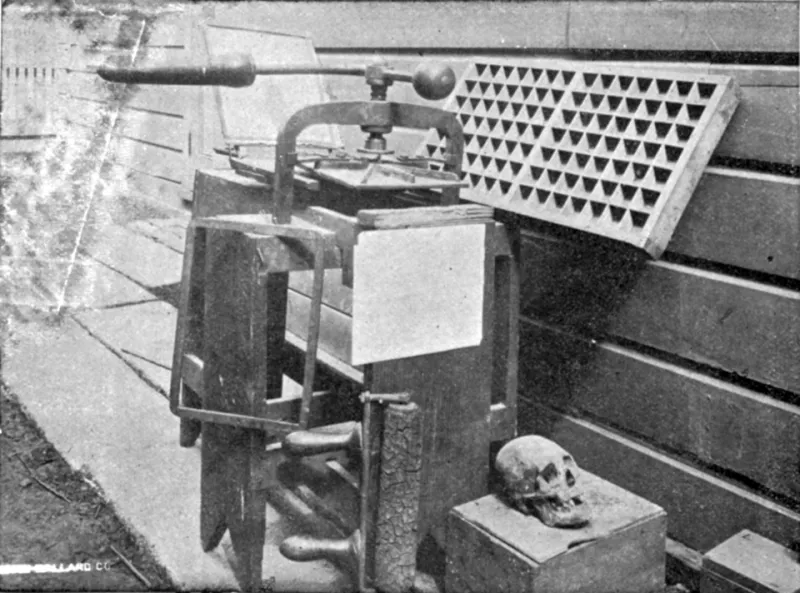
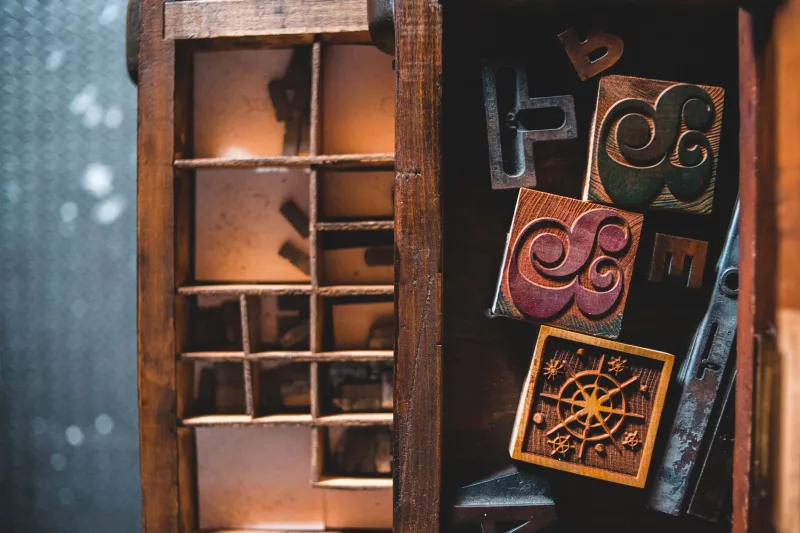
Hot Metal, Cool Covers: Inside the UK's Letterpress Comeback

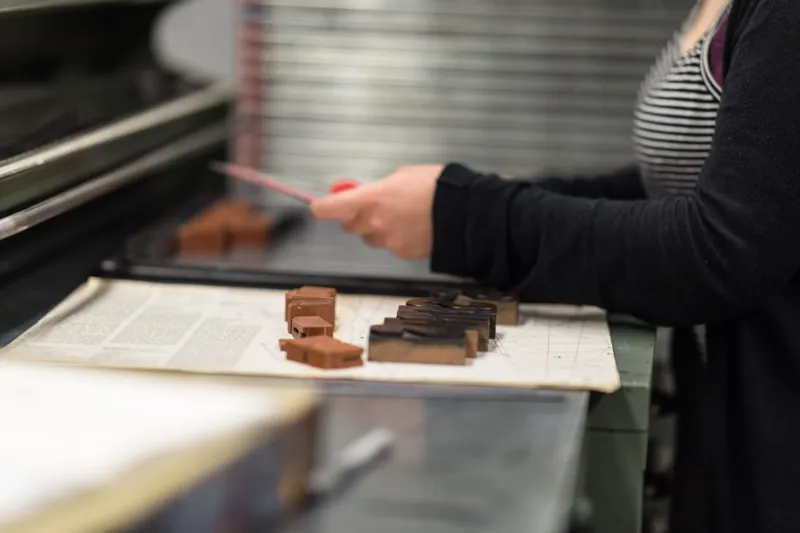
Letterpress is no longer just a heritage demo. In 2026, UK small presses are booking foundry time for covers, limited editions and author gifts — and the results can be quietly spectacular. Here is how to commission it without wasting money, paper or patience.